
Motor Boat & Yachting's resident boating expert, John Mendez give his advice and tips for first time boaters
While we feature plenty of larger, more expensive boats in this magazine, most people start off with something more modest, so this month we’re looking at those first steps towards buying your first boat.
Before you even think about spending money on a boat, I would always start with some training, be it an RYA approved training course or simply going out with someone knowledgeable. Some good basic knowledge and hands-on experience often allows you to identify what you want from your boat.
The RYA Powerboat Level 2 is usually the best place to start, either on a specific training vessel with others or, if you have already bought a boat, on the actual craft you now own. A couple of days covering set-up, handling, navigation and mooring will set not only your mind at rest but also put your family and guests at ease. If the boat has a VHF radio, then you will also need a license for you and the boat.
If you are looking at buying a secondhand boat, then a survey is usually a sensible idea. If the value of it isn’t too high then a knowledgeable friend may be enough to cover the basics but as soon as you are considering any kind of finance I would recommend getting an approved marine surveyor to check it over.
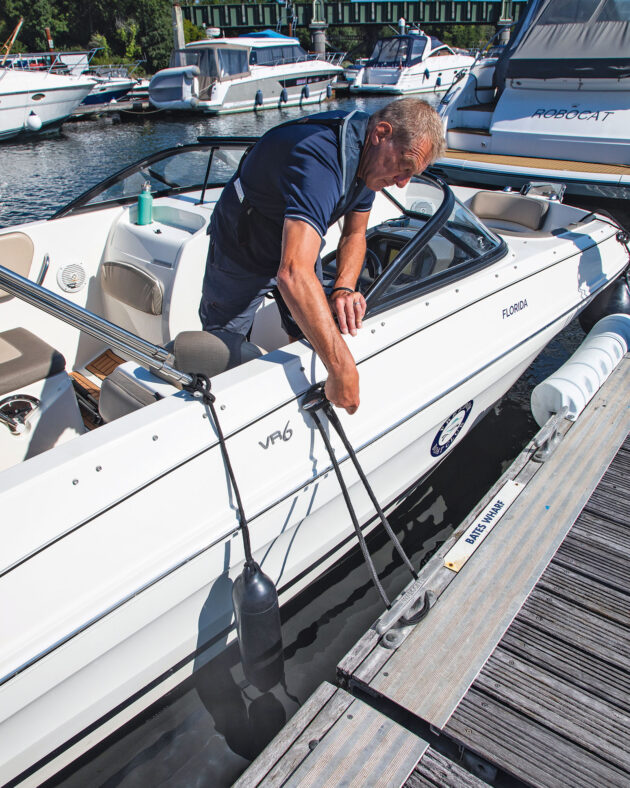
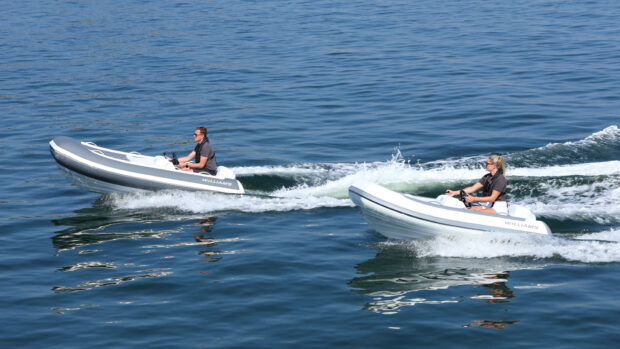
Your first time afloat should be an enjoyable experience so take time to check all the controls and think about where to store lines and fenders before you leave the dock
A good surveyor will often save more than their fee by flagging any issues they find, which may then enable you to negotiate down the selling price to reflect the work that needs doing. Either way, I consider it money well spent.
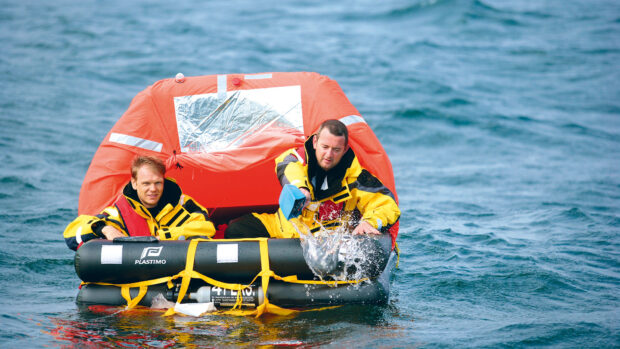
Then you’ll need to make sure you have the right equipment for yourself and the boat. This might change slightly according to where you boat, be it a river, lake or the sea, along with any local regulations.
Now spend some time with the boat moored up getting to know it. Where are the batteries? How many are there? How do you turn them on and can you link them?
Then move on to the engine checks and the controls. How far does the throttle need to go to put it in gear in ahead and astern? How far beyond that point for any additional revs? How many turns lock to lock on the helm? How do you know when the helm is in the centre?
That’s easy with an outboard that you can see, much harder with an outdrive or shaft driven boat without a rudder indicator. Now move onto the fuel, where is the tank? How much does it hold? How long will it run for in distance and / or time and can you see the level easily?
Before you even think about leaving the berth, make sure you know how to release the anchor in case of engine failure and where you are going to stow the lines and fenders when you leave the dock. Last of all, brief the people coming with you so it’s all as stress free as possible. The aim is to make sure that your first time afloat is remembered for all the right reasons – not the wrong ones!
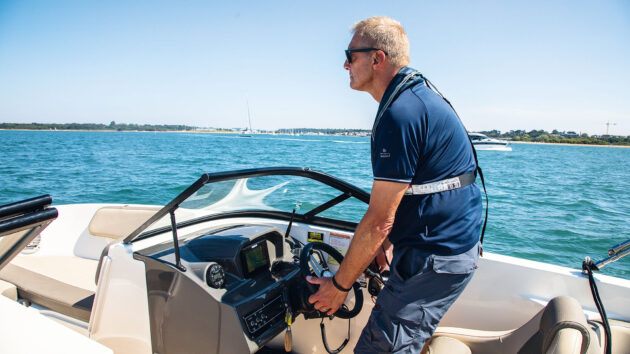
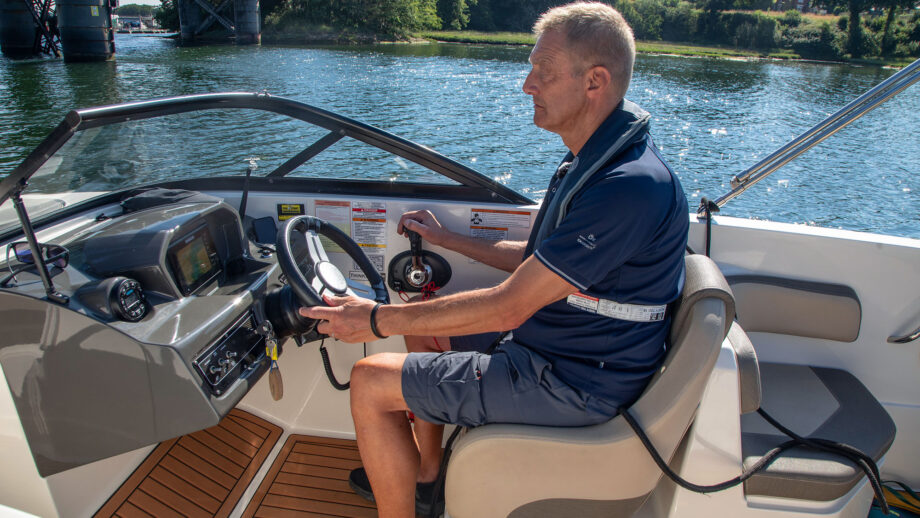
Stand or sit: Being tall, I find standing rarely works for me on smaller boats. I can’t see anything below the dash and the controls are awkward. Once I sit down everything falls to hand naturally.
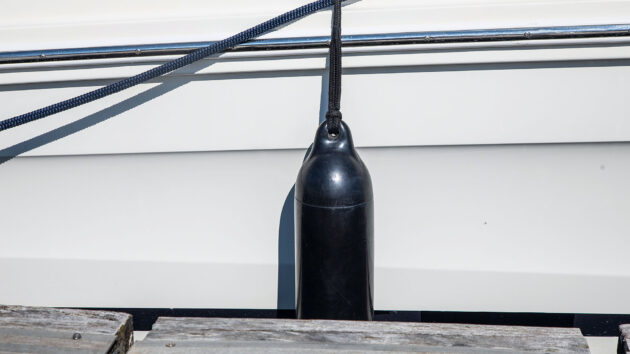
Lines & fenders: Practise setting your lines and fenders so when you leave and return, you know the fenders will be in the right places,
at the right height, and the lines will be attached to the cleats correctly.
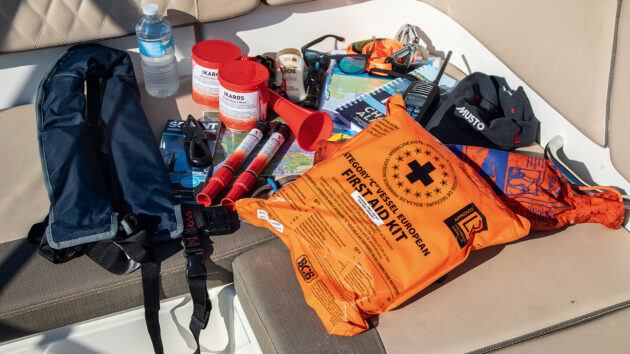
Essential kit: This will depend on where you go boating but lifejackets, a first-aid kit, throwline, knife, suncream and water are advisable. If venturing to sea, I’d also take flares, a VHF radio, charts and an almanac.
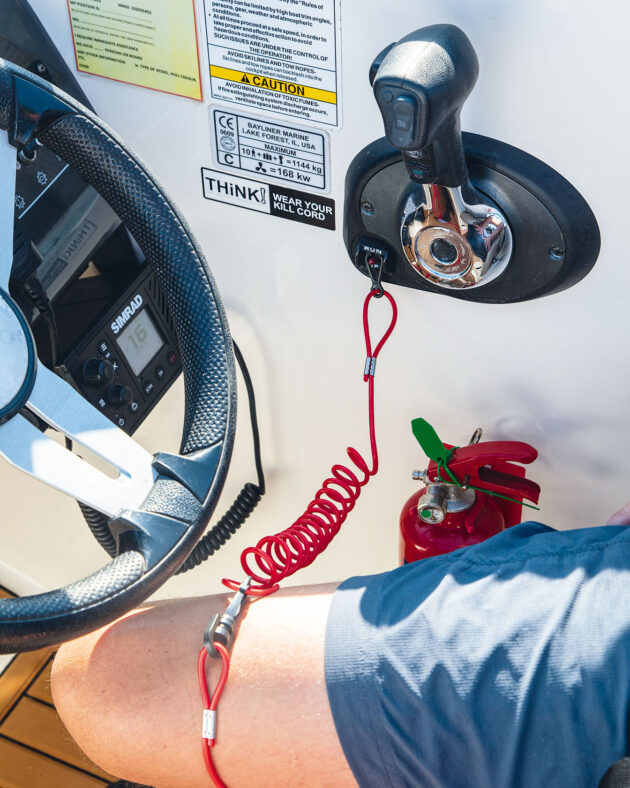
Kill cord: Almost every open boat should be fitted with a kill cord that stops the engine if you get dislodged from the helm. This should be securely attached to you at all times, either by looping it round your thigh or clipping it to your lifejacket, as long as it can’t get snagged on the controls.
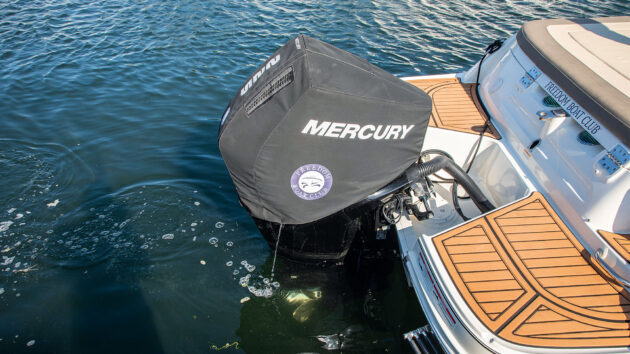
Cool & fuel: When you start the engine, always check for a tell-tale of cooling water – nice and easy with an outboard, much harder if it exits with the exhaust underwater. Also check fuel levels before you leave.
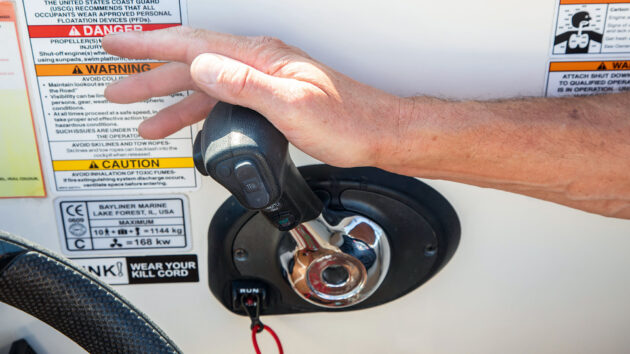
Throttle: This one needs the button pushed in before you can put it into gear. As soon as it engages, release the button so that when you pull it back it will engage neutral rather than overshooting into astern.
 If you enjoyed this….
 If you enjoyed this….
Motor Boat & Yachting is the world’s leading magazine for Motoryacht enthusiasts. Every month we have inspirational adventures and practical features to help you realise your sailing dreams, as well as tests and news of all the latest motorboats.
Plus you’ll get our quarterly Custom Yachting supplement where we share the last on offer in the superyacht world and at the luxury end of the market.
Build your knowledge with a subscription delivered to your door. See our latest offers and save at least 30% off the cover price.
Note: We may earn a commission when you buy through links on our site, at no extra cost to you. This doesn’t affect our editorial independence.