

Mastering inland waterways requires a unique approach. Jon Mendez gives his expert tips for navigating locks, bridges, and currents on rivers and canals
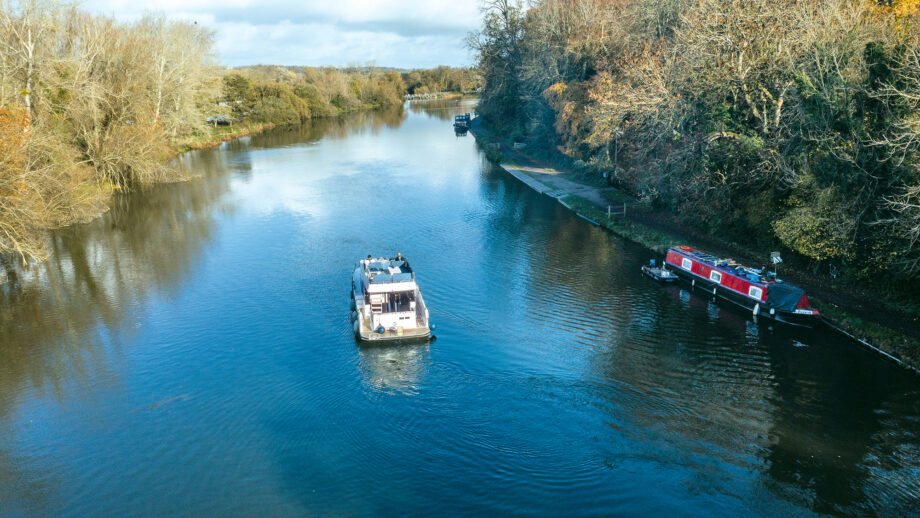
Boating inland on rivers and canals brings its own special set of circumstances that need extra consideration when afloat. Canals are generally man-made and have little or no water flow, as any level changes are done with locks. Rivers always have a flow of water downstream from the river head to where they either join another river or become tidal.
Again, locks are used to ease the passage of boats along stretches of river when the water level change is too great. These are usually accompanied by a weir and sluices to control the level and flow of the navigable river.
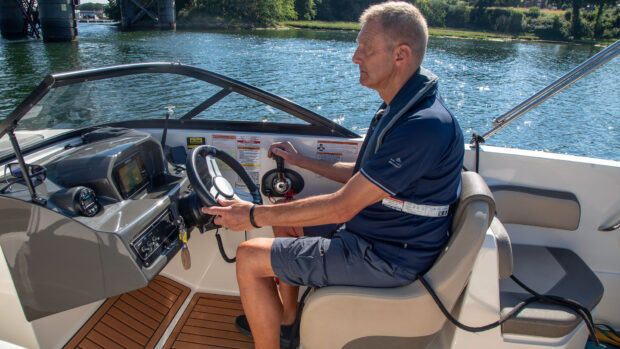
When boating inland, there are some special considerations that you need to take into account and that may affect your choice of vessel. The boat we used for this article was a Delphia 11 Flylounge powered by a single 150hp Yanmar engine.
Although this would allow for some coastal work, it was perfect on the river as it gave a tick-over speed of just under 2 knots, with good rudder control and added manoeuvrability from both a bow and stern thruster. Faster sea-going vessels aren’t designed to cruise for long periods of time at the inland speed limit of 5-6 knots and may struggle to maintain steerage.
We were blessed with a quiet, sunny autumn day but in the height of the season, dealing with traffic can be complicated, and some inland waterways, especially those with a lot of commercial traffic, have additional rules known as CEVNI regulations.
Both rivers and canals suffer from shoaling at the edges so care is needed when mooring along the banks or travelling around river bends where the inside of the turn is often very shallow, causing serious congestion on a narrow river. I like to travel roughly down the centre, moving to starboard when other traffic or moored boats mean that I need to move over.
Floating or hidden debris is another potential hazard, especially after heavy rain and flooding. Overhanging branches can also complicate things when manoeuvring. Other than locks, which we will cover next month, the main
feature you’ll need to deal with is bridges. These often cross the waterway at an angle, due to the direction of the road above, rather than at 90 degrees to the waterway.
The technique, especially if going downstream and with some current or wind with you, is to position your boat absolutely straight between the piers and then engage the minimum power that allows you to maintain steerage. Too slow, and any swirling water can easily push you towards the piers or arches; too fast, and if you do get it wrong, the consequences will be very expensive!
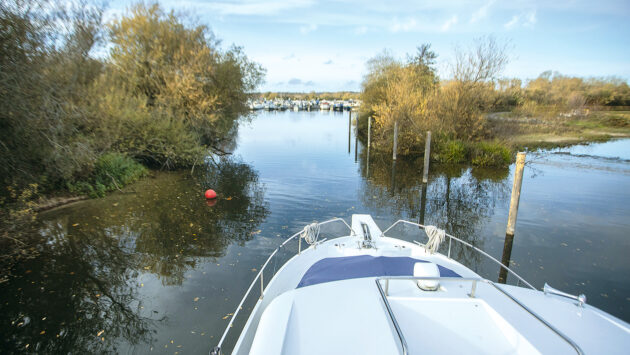
Stay alert
Here, the entrance from the river to the marina has shallowed dramatically and the red buoy is there to keep you away from the bank; the overhanging trees help focus whoever is at the helm!
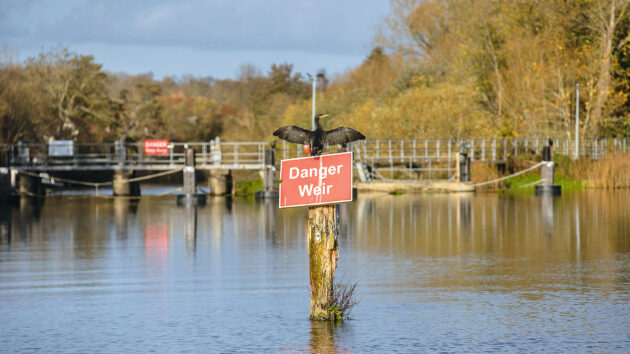
Obey signs
The weir stream is used to divert the main flow of water away from the lock. Be really careful not to get swept into its path, especially after heavy rain when the flow can increase dramatically.
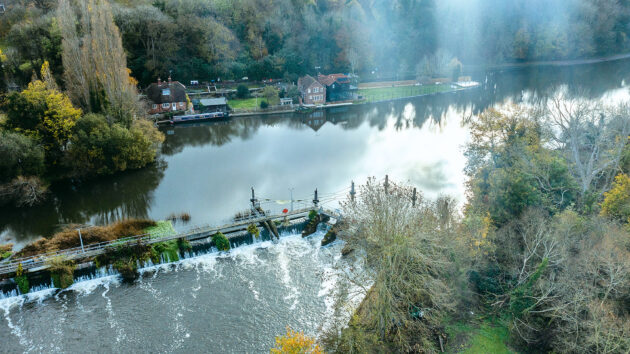
Deceptive conditions
While this was a slow-water-flow
day on the river, the volume going over the weir was still considerable. Getting caught in it doesn’t bear thinking about.
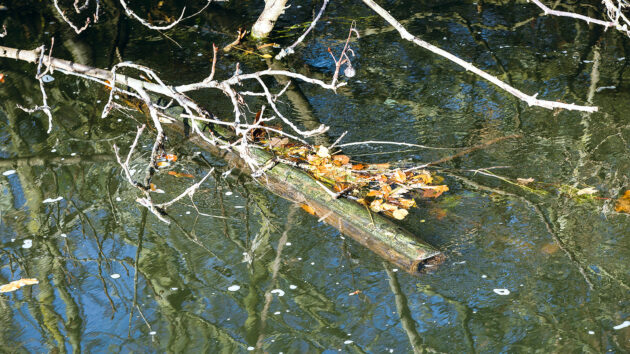
Floating obstacles
This large log was floating less than a metre from the boat. Not only could it damage the hull, but if it gets sucked into the propeller the repair bill could be substantial.
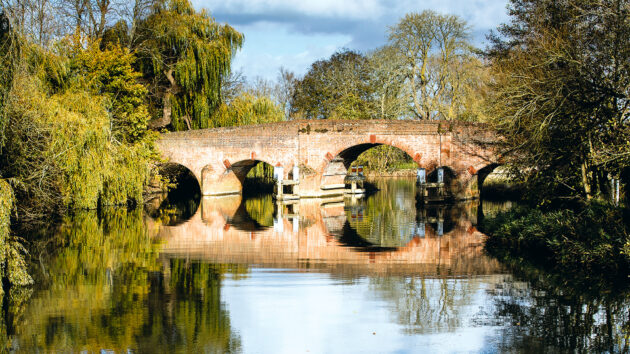
Negotiating bridges
You can see that this bridge is built at an angle to the waterway, so you need to control your speed carefully and get your vessel parallel to the arch before passing through it.
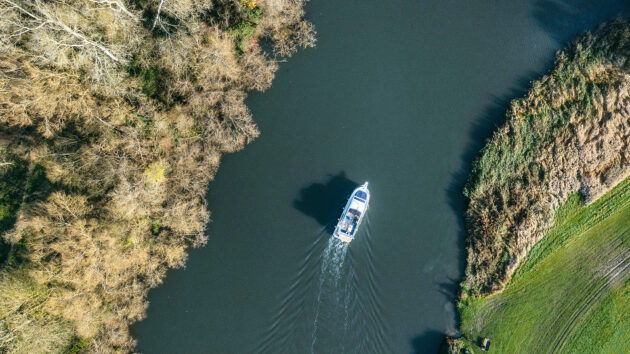
Rounding bends
All bends need to be treated with caution, as the inside often shoals and reduces the available depth. On this bend, the deeper outside line is further complicated by overhanging trees on the bank.
 If you enjoyed this….
 If you enjoyed this….
Motor Boat & Yachting is the world’s leading magazine for Motoryacht enthusiasts. Every month we have inspirational adventures and practical features to help you realise your sailing dreams, as well as tests and news of all the latest motorboats.
Plus you’ll get our quarterly Custom Yachting supplement where we share the last on offer in the superyacht world and at the luxury end of the market.
Build your knowledge with a subscription delivered to your door. See our latest offers and save at least 30% off the cover price.
Note: We may earn a commission when you buy through links on our site, at no extra cost to you. This doesn’t affect our editorial independence.