
In an increasingly litigious world, every skipper needs a simple safety routine to prove they meet their duty of care afloat. Jon Mendez explains how
We’re living in an increasingly litigious world, so every skipper needs a simple safety routine to protect themselves and their guests. Recent court cases have shown that if something does go wrong, regardless of whether it’s a private or a commercial trip, they expect you, as the skipper, to demonstrate an appropriate duty of care.
That might all sound rather ominous, but the reality is that a sensible skipper probably does much of this already. All I’m suggesting is that you keep records to show that. So what do I note down whenever I go out?
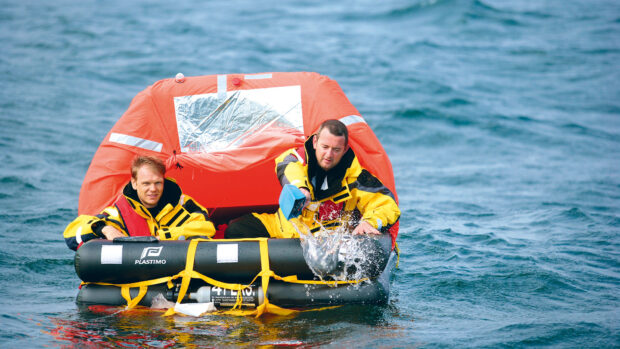
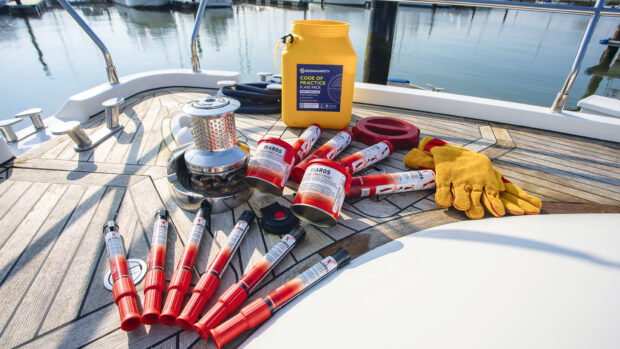
Firstly, I always check that everything on the boat is within date and fi t for purpose. This includes making sure that the charts, both paper and electronic, are up to date or I am at least aware of any corrections. The same applies to the safety kit, especially the lifejackets, liferaft (if you have one) and the fl ares. Are they still within date, have they been serviced recently, are they stowed correctly and does everyone know where they’re kept?
In the days before a trip, I keep a close eye on the weather. On the day of the trip itself, assuming the forecast looks acceptable, I record that in my ship’s log too. It doesn’t matter whether that’s a paper or an electronic log, so long as you have a record of it, but it should be from a reputable source – I use the UK Met Office along with any local considerations.
My next entry is the tidal information of any main and secondary ports. You can do this longhand or take a screen grab of the day’s weather and tide tables.
Article continues below…
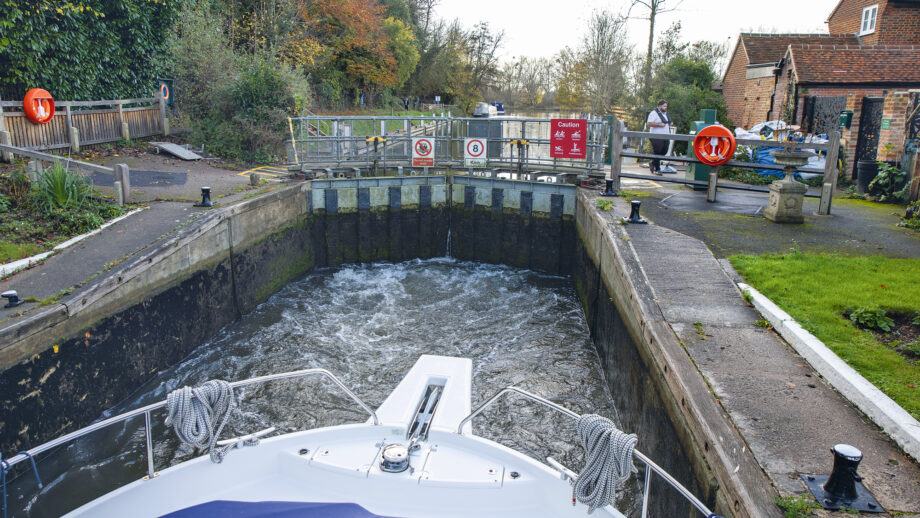
How to use and upstream lock: Expert boating guide
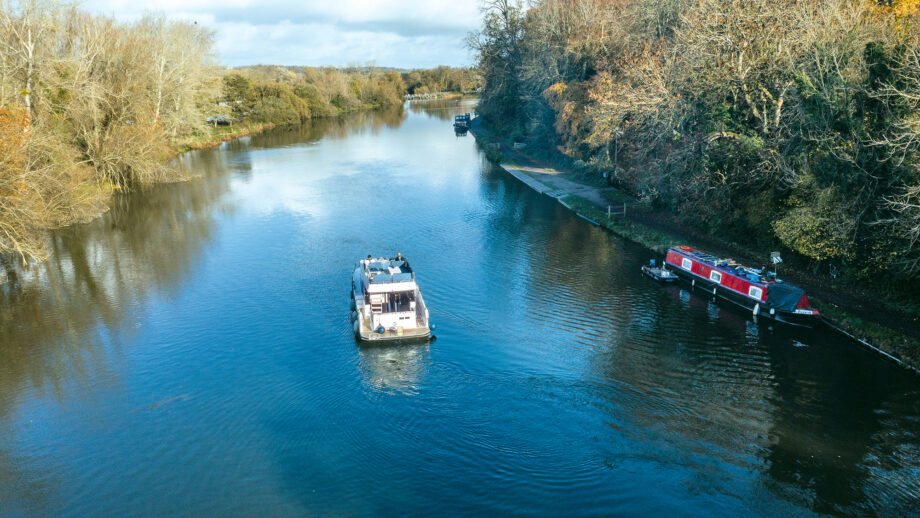
How to cruise rivers and canals
Next comes the basic engine checks. I use the acronym WOBBLE to remind me to check the Water (both raw water and coolant), Oil, Belts, Bilges, Look (for leaks or damage) and Electrics. I will make a note that I’ve completed these checks along with any known faults and whether they could compromise the vessel’s ability to be used safely.
Finally, to comply with the Merchant Shipping Act, every voyage needs to be planned. This is nothing new – it has applied to leisure boats for well over 25 years – but many skippers still aren’t aware of it. The MCA even has an acronym for it – APEM (Appraise, Plan, Execute and Monitor). It can be as concise or as detailed as you like but don’t just set off and hope for the best.
To appraise your trip, ask yourself is this a good idea? To plan it, plot your route on a chart or plotter, write it down and consider all the elements such as weather, tides, vessel size, location, your experience and your crew’s. Is it safe? Is it sensible? If that’s a yes, write it down. Now go and enjoy (execute) it!
But monitor your plan as it happens and if you need to make a change, then consider all of the above again and write down what you’ve changed and why. It may seem like a chore but having a written record of the day will make your time afloat safer and more memorable for all the right reasons.
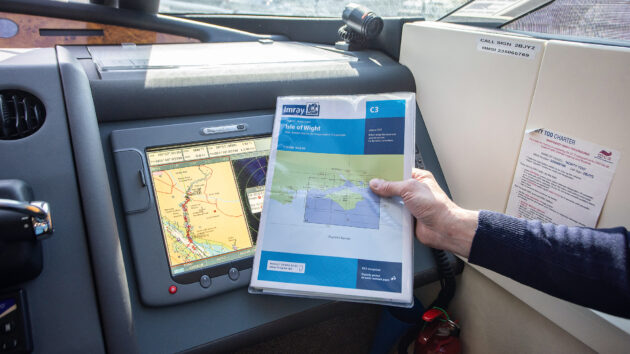
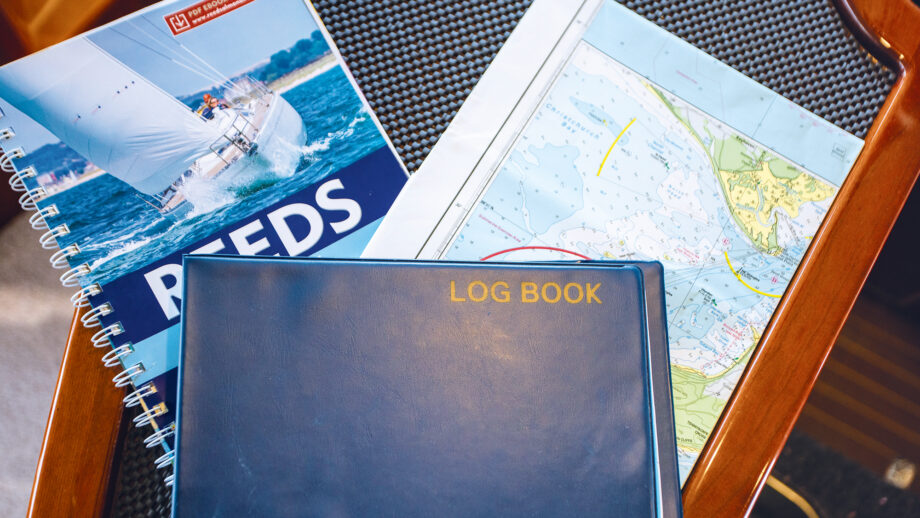
Charts – Before going afloat, it’s important to make sure the charts, both printed and digital ones uploaded to the plotter/MFD, are up to date. If something has changed, like a shifting channel or a recent wreck, you definitely need to be aware of it.
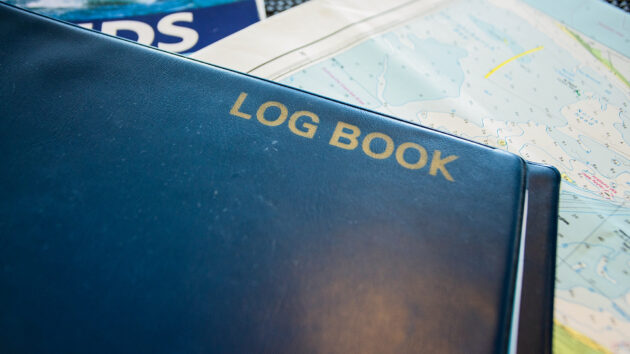
Ship’s log – It’s always sensible to keep a record of your planning for trips so you can show what preparations you made, who was aboard and how you complied with the Merchant Shipping Act’s APEM requirements.
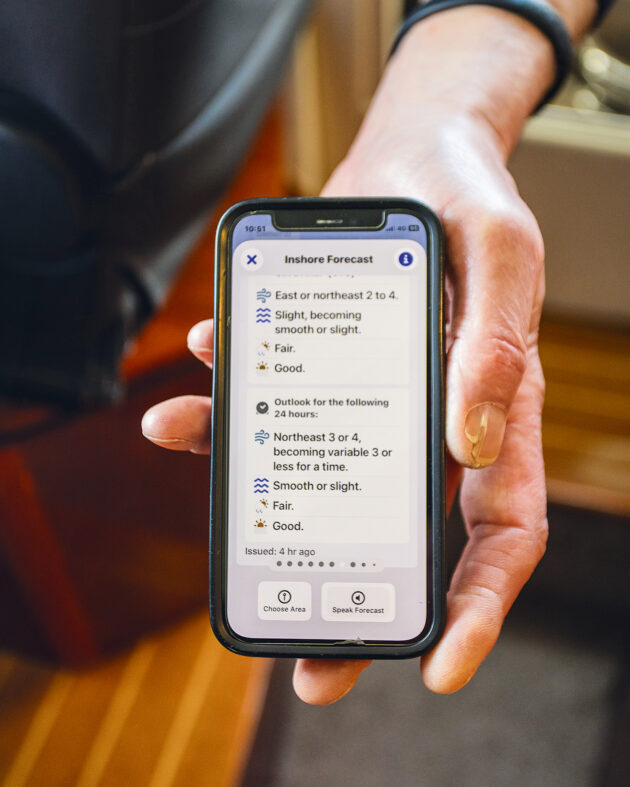
Weather & tides – Using your phone to take a screen grab of the weather and tide on the day of the trip is an easy way to record the information but it’s not quite as easy to read at a glance at sea.
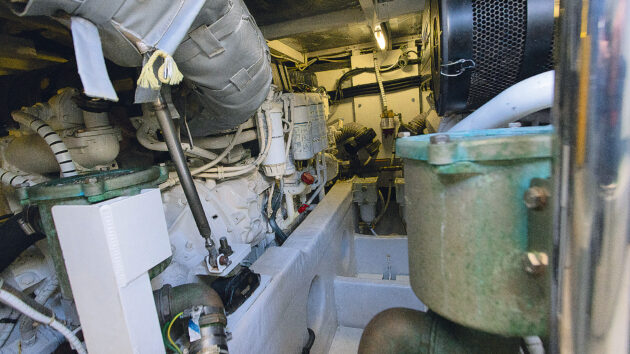
Engine checks – I use the acronym WOBBLE as the basis for my daily checks (Water, Oil, Belts, Bilges, Look, Electrics). If it’s the first time I’ve been on the boat for a while, I like to have a really good poke around as well.
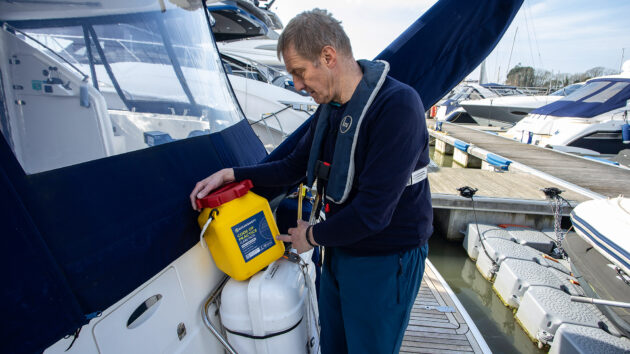
Safety equipment – Make sure flares are within date and lifejackets and liferaft serviced. Let everyone know where they are kept, how to use them and brief them on your plan for the day as well.
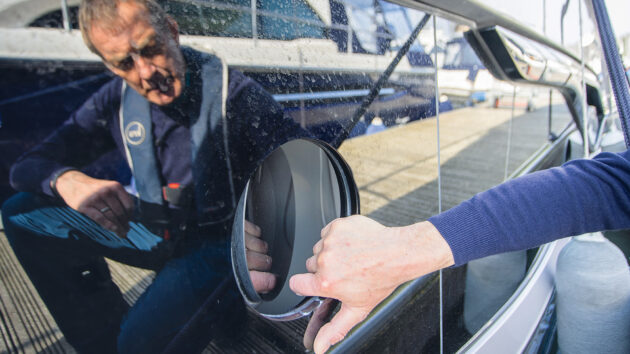
Final checks – I like to walk around the outside of the boat to check the portholes are closed – tinted windows make it harder! I also do a quick radio check to make sure the VHF is transmitting and receiving clearly.
 If you enjoyed this….
 If you enjoyed this….
Motor Boat & Yachting is the world’s leading magazine for Motoryacht enthusiasts. Every month we have inspirational adventures and practical features to help you realise your sailing dreams, as well as tests and news of all the latest motorboats.
Plus you’ll get our quarterly Custom Yachting supplement where we share the last on offer in the superyacht world and at the luxury end of the market.
Build your knowledge with a subscription delivered to your door. See our latest offers and save at least 30% off the cover price.
Note: We may earn a commission when you buy through links on our site, at no extra cost to you. This doesn’t affect our editorial independence.